I was so happy to finally see a new post today from Riverbend at Baghdad Burning, her first since her family made the difficult decision to leave Iraq. Everybody, especially in the US, should read this post. She and her family are lucky they made it into Syria before September 10, when Syria will begin requiring visas for Iraqi refugees.
Meanwhile, please explain to me why Iraqis cannot apply for refugee apply for refugee status at the shiny, new U.S. embassy in Baghdad, and instead must risk a border crossing to Syria or Jordan? How will they apply in light of Jordan and Syria changing their entry policies? Read this to see just how difficult the process is.
Listen to two great reports on the crisis in Damascus and the challenges facing the refugees seeking to immigrate to the U.S. from National Public Radio, which reports a mass exodus in anticipation of the deadline.
Shame on us.
Salaam.
06 September, 2007


Israeli Airstrike On Syria?
This morning on NPR I heard about the supposed intrusion on Syrian airspace by Israeli jets. Israel is saying they didn't, Syria says the Israelis did, dropped their fuel tanks and/or munitions, and Syrian forces fired on the jets. Tried to check the U.S. television news channels this morning, but they were tied up, as usual, with a useless local news story (another standoff with police). Josh Landis weighs in. He links to this article from Haaretz, which has some follow-up links at the bottom of the article.
According to Haaretz, Al-Arabiya is reporting the location as "North-Eastern Syria, near the Turkish border". The jets came in from the sea. Jerusalem Post says it happened near "Abyad".
Salaam.
According to Haaretz, Al-Arabiya is reporting the location as "North-Eastern Syria, near the Turkish border". The jets came in from the sea. Jerusalem Post says it happened near "Abyad".
Salaam.
02 September, 2007
Turkey and the U.S.
Just some random thoughts on Turkey that I am late in posting.
It was interesting to hear the commentators talk about the Gül Presidency and what
it means for Turkey. I say "was" because Gül and the election quickly dropped off the U.S. news radar. This discussion and analysis on The Newshour last week between Söner Çağaptay, director of the Turkish Research Program at the Washington Institute on Near East Policy, and Bülent Aliriza, director of the Turkey Project at the Center for Strategic and International Studies, seems to be typical with one side seeing it as the end of Turkey as we know and the other taking a wait-and-see attitude.
I am not Turkish and I am not an expert on Turkish politics, but in the U.S. when you call somebody an "Islamist" you are essentially equating them with Ayatollah Khomeini, Osama bin Laden, and Mahmoud Ahmadinejad who are for most Americans are the poster boys for Islamic extremism. So far as I can tell, Gül doesn't seem to belong in that club and doesn't appear to be applying for membership. It strikes me as somewhat amusing, and sad, that I've had people here ask me if I am afraid about going to Turkey "now that the Islamists have taken over the government."
I have read commentators who blame the rising number of Turks with unfavorable views of the U.S. policy on some sort of conservative Islamic resurgence. However, it may be much simpler. Many Turks I talked to wanted to know why the U.S. government and military would not let Turkey deal with PKK camps in Iraqi Kurdistan. They asked why the U.S. was allowed to deal with its terrorists, but Turkey was forced to sit by idly. Some expressed a feeling of being used by the U.S. for very little in return.
The news earlier this month about guns from the U.S. intended for Iraqi forces ending up in Turkey, even being used in criminal activities there according to the Turkish government, will certainly and understandably not help things.
Salaam.
It was interesting to hear the commentators talk about the Gül Presidency and what
it means for Turkey. I say "was" because Gül and the election quickly dropped off the U.S. news radar. This discussion and analysis on The Newshour last week between Söner Çağaptay, director of the Turkish Research Program at the Washington Institute on Near East Policy, and Bülent Aliriza, director of the Turkey Project at the Center for Strategic and International Studies, seems to be typical with one side seeing it as the end of Turkey as we know and the other taking a wait-and-see attitude.
I am not Turkish and I am not an expert on Turkish politics, but in the U.S. when you call somebody an "Islamist" you are essentially equating them with Ayatollah Khomeini, Osama bin Laden, and Mahmoud Ahmadinejad who are for most Americans are the poster boys for Islamic extremism. So far as I can tell, Gül doesn't seem to belong in that club and doesn't appear to be applying for membership. It strikes me as somewhat amusing, and sad, that I've had people here ask me if I am afraid about going to Turkey "now that the Islamists have taken over the government."
I have read commentators who blame the rising number of Turks with unfavorable views of the U.S. policy on some sort of conservative Islamic resurgence. However, it may be much simpler. Many Turks I talked to wanted to know why the U.S. government and military would not let Turkey deal with PKK camps in Iraqi Kurdistan. They asked why the U.S. was allowed to deal with its terrorists, but Turkey was forced to sit by idly. Some expressed a feeling of being used by the U.S. for very little in return.
The news earlier this month about guns from the U.S. intended for Iraqi forces ending up in Turkey, even being used in criminal activities there according to the Turkish government, will certainly and understandably not help things.
Salaam.
The Next War
UPDATE: Everybody should be keeping up with the Informed Comment Global Affairs Blog. There's more on this each day.
A U.S. attack on Iran is starting to sound like a matter of when, not if.
Average people I talk to here do not believe the Bush administration would attack and/or invade Iran for a variety of reasons: the U.S. military is already spread too thin; the growing public unease about the war in Iraq; lack of public support for a third war; it's just too crazy an idea, even for these loons...
I usually nod and acknowledge the logic of those arguments, which would certainly give better leaders pause. However, I do not believe this administration acts on logic. I think they have proven that time and again.
While the idea of an attack on Iran has been brought up before, the tone seems to be changing from the theoretical to the inevitable. Recent weeks have brought some disturbing writings concerning a U.S. strike on Iran. These are not the rantings of wild-eyed, tin foil hat-wearing conspiracy theorists. Read Juan Cole, Barnett Rubin, McClatchy, The New Yorker ("Test Marketing"), Scott Horton of Harper's, Glenn Greenwald of Salon, and Chris Floyd for yourself. Maccabee on Daily Kos has an interesting entry in his diary, as well.
The Raw Story has a piece about a report issued by Dr. Dan Plesch, the Director of the School of Oriental and African Studies' Center for International Studies and Diplomacy, and Martin Butcher, an international security politics consultant, that analyzes the potential for a U.S. war with Iran and how it might unfold. You can download the actual report from a link in the story.
The administration, neocons, and their supporters are ratcheting up their rhetoric and it is sounding somewhat familiar. This follows Senate passage of the Lieberman amendment to the defense spending bill and revelation of U.S. plans to label Iran's Revolutionary Guard as a terrorist organization.
As Jon Stewart says, "cue the fear music"...
Bill O'Rielley was again claiming on his show this week that what war critics really want the U.S. to lose in Iraq. The "dissent is treason" thing is so tired, absurd, offensive. At this point, I am not even sure what the U.S. losing means in practical terms. What to we call the situation now? Bill, I would love to be proven wrong. I would love to have a stable, safe, functioning Iraq where people can return home to live in peace. I just don't see that happening. And I wouldn't believe the people running my government telling me they had to fight the school bully because he was taking milk money from the other kids if I saw it with my own eyes.
I was in Morocco in 2004 and the question friends kept asking was "why are the people in your country not out in the streets (about the Iraq war)?" That was before many of the big reveals of lies and manipulations. I didn't have many good responses for that question then. I don't feel I do now, either. I just hope it's not too late to stop the next war.
Salaam.
A U.S. attack on Iran is starting to sound like a matter of when, not if.
Average people I talk to here do not believe the Bush administration would attack and/or invade Iran for a variety of reasons: the U.S. military is already spread too thin; the growing public unease about the war in Iraq; lack of public support for a third war; it's just too crazy an idea, even for these loons...
I usually nod and acknowledge the logic of those arguments, which would certainly give better leaders pause. However, I do not believe this administration acts on logic. I think they have proven that time and again.
While the idea of an attack on Iran has been brought up before, the tone seems to be changing from the theoretical to the inevitable. Recent weeks have brought some disturbing writings concerning a U.S. strike on Iran. These are not the rantings of wild-eyed, tin foil hat-wearing conspiracy theorists. Read Juan Cole, Barnett Rubin, McClatchy, The New Yorker ("Test Marketing"), Scott Horton of Harper's, Glenn Greenwald of Salon, and Chris Floyd for yourself. Maccabee on Daily Kos has an interesting entry in his diary, as well.
The Raw Story has a piece about a report issued by Dr. Dan Plesch, the Director of the School of Oriental and African Studies' Center for International Studies and Diplomacy, and Martin Butcher, an international security politics consultant, that analyzes the potential for a U.S. war with Iran and how it might unfold. You can download the actual report from a link in the story.
The administration, neocons, and their supporters are ratcheting up their rhetoric and it is sounding somewhat familiar. This follows Senate passage of the Lieberman amendment to the defense spending bill and revelation of U.S. plans to label Iran's Revolutionary Guard as a terrorist organization.
As Jon Stewart says, "cue the fear music"...
Bill O'Rielley was again claiming on his show this week that what war critics really want the U.S. to lose in Iraq. The "dissent is treason" thing is so tired, absurd, offensive. At this point, I am not even sure what the U.S. losing means in practical terms. What to we call the situation now? Bill, I would love to be proven wrong. I would love to have a stable, safe, functioning Iraq where people can return home to live in peace. I just don't see that happening. And I wouldn't believe the people running my government telling me they had to fight the school bully because he was taking milk money from the other kids if I saw it with my own eyes.
I was in Morocco in 2004 and the question friends kept asking was "why are the people in your country not out in the streets (about the Iraq war)?" That was before many of the big reveals of lies and manipulations. I didn't have many good responses for that question then. I don't feel I do now, either. I just hope it's not too late to stop the next war.
Salaam.
31 August, 2007
Bayn yalnız bıraz Türkçe konuşabiliyorum ama geliyorum!
I am due to leave September 22 for Istanbul where I will be attending a CELTA course through mid-December. I intend to stay in that part of the world after that, but refuse to give details because I simply don't have them. Yes, I am aware they do not speak Arabic there, although most people here I speak to are surprised by this fact. (sigh) I know enough Turkish to get by and will simply throw myself at the language as I did in Syria, which seemed to work well. Not taking yourself too seriously, willingness to screw up and/or make a fool of yourself, and a real love of talking to just about anybody helps a lot in learning a new language. My favorite Turkish word, so far:
Türkleştiremedigimizlerdensinizdir.
Perhaps you are one of those we cannot Turkify.
(We shall see.)
I am in a bit of a whirl getting everything sorted before I leave. Tonight, though, I am going to hear the should-be Governor of Texas, Kinky Friedman, speak at the Decatur Book Fair.
As the Kinkster says, "May the God of your choice bless you."
Salaam.
Türkleştiremedigimizlerdensinizdir.
Perhaps you are one of those we cannot Turkify.
(We shall see.)
I am in a bit of a whirl getting everything sorted before I leave. Tonight, though, I am going to hear the should-be Governor of Texas, Kinky Friedman, speak at the Decatur Book Fair.
As the Kinkster says, "May the God of your choice bless you."
Salaam.
18 August, 2007
Random Reads
I am finishing my application for the CELTA in Cairo and interviewing with the Istanbul program today. Just some things of note from the last few days, including a the loss of a great sound, the power of the image, and paddling out for peace.
Doc Rocks!
Even I've heard of Doc. Some people may say his gift is frivolous. To me, it's someone who saw a need, knew they could help, and helped. Simple as that. And, there's no telling where this could lead. When I was a kayak guide, working with kids from the rougher parts of town was the best part, to see their confidence and smiles grow as they learned the strokes and managed to handle a 3 meter long kayak. Who knows what can come from teaching the children of Gaza to surf.
The drumming circle in heaven got sweeter last week. R.I.P., Max. You will be missed.
I attended the exhibit Annie Leibovitz, A Photographer's Life, 1990-2005 at the High Museum on Friday. Leibovitz is most well-known for her celebrity portraits. In fact, until Friday I only had a vague idea of her other works. I'd heard she was in Sarajevo during the war, but didn't know much about her journalistic or personal work. That's why the show was a revelation to me. In her artist's statement she states her professional and personal work should be considered one body of work because she considers her life unified; that there's not this part of her life over here and that part over there. That's my philosophy of life, too, or at least what I strive for, so I appreciated that and the way it was reflected in the staging of the exhibition. Most striking, one wall is bracketed by a large print of Johnny Depp and Kate Moss formally posed in bed and the chilling image of a yellow wall in a Rwandan Tutsi school streaked with bloody foot and hand prints, the remnants of a massacre. In between are small, intimate images of Leibovitz's partner, the late writer Susan Sontag, on a trip to Venice, and a series of four simple images of Leibovitz's parents' morning routine in their kitchen. I sat in front of the the wall and watched people's reactions. Most people were drawn to the Depp print and repulsed by the Rwanda print. One woman walked up to the Rwanda print, gasped, snapped to attention, and scampered away. The personal photos, being much smaller, required closer inspection. The arrangement struck me somehow. This is life, or at least how it is presented to us: while people are being butchered in some far off place, a woman makes coffee for her husband, people go on vacation, and the press tries to wave celebrity in front of us as an ideal. I even have to give Leibovitz credit for her celebrity work, which isn't really of interest to me. There was a photo of a shirtless Mick Jagger sitting alone on a bed, staring at something outside the frame, that managed to convey a sort of vulnerability that one doesn't normally associate with Jagger. My favorites were a photo of the slot canyon at Petra opening onto the site, a bright crack in the dark rock walls leading your eyes into the image, with Sontag standing in silhouette at the entrance for scale; the fallen bicycle of a boy killed by a mortar in Sarajevo, his blood arced across the pavement conveying the brevity and fragility of life as well as the brutality of war; a bold, high contrast image in close-up of a pregnant woman's belly with the father's hands resting on the woman's belly in the form of a heart and the woman's arms cradling his. The exhibit closes September 2, so if you're in or around Atlanta, be sure to catch it.
Sadly, the U.S. is losing one of its most important publications of record. Who will cover Batboy, the alien members of the U.S. Congress, Bigfoot and Satan now? And what of their vital reporting on religious issues? Om-Taromeet and I used to buy issues to read aloud on long road trips, an unparalleled form of entertainment. Be sure to check out This Week in History.
Salaam.
Doc Rocks!
Even I've heard of Doc. Some people may say his gift is frivolous. To me, it's someone who saw a need, knew they could help, and helped. Simple as that. And, there's no telling where this could lead. When I was a kayak guide, working with kids from the rougher parts of town was the best part, to see their confidence and smiles grow as they learned the strokes and managed to handle a 3 meter long kayak. Who knows what can come from teaching the children of Gaza to surf.
The drumming circle in heaven got sweeter last week. R.I.P., Max. You will be missed.
I attended the exhibit Annie Leibovitz, A Photographer's Life, 1990-2005 at the High Museum on Friday. Leibovitz is most well-known for her celebrity portraits. In fact, until Friday I only had a vague idea of her other works. I'd heard she was in Sarajevo during the war, but didn't know much about her journalistic or personal work. That's why the show was a revelation to me. In her artist's statement she states her professional and personal work should be considered one body of work because she considers her life unified; that there's not this part of her life over here and that part over there. That's my philosophy of life, too, or at least what I strive for, so I appreciated that and the way it was reflected in the staging of the exhibition. Most striking, one wall is bracketed by a large print of Johnny Depp and Kate Moss formally posed in bed and the chilling image of a yellow wall in a Rwandan Tutsi school streaked with bloody foot and hand prints, the remnants of a massacre. In between are small, intimate images of Leibovitz's partner, the late writer Susan Sontag, on a trip to Venice, and a series of four simple images of Leibovitz's parents' morning routine in their kitchen. I sat in front of the the wall and watched people's reactions. Most people were drawn to the Depp print and repulsed by the Rwanda print. One woman walked up to the Rwanda print, gasped, snapped to attention, and scampered away. The personal photos, being much smaller, required closer inspection. The arrangement struck me somehow. This is life, or at least how it is presented to us: while people are being butchered in some far off place, a woman makes coffee for her husband, people go on vacation, and the press tries to wave celebrity in front of us as an ideal. I even have to give Leibovitz credit for her celebrity work, which isn't really of interest to me. There was a photo of a shirtless Mick Jagger sitting alone on a bed, staring at something outside the frame, that managed to convey a sort of vulnerability that one doesn't normally associate with Jagger. My favorites were a photo of the slot canyon at Petra opening onto the site, a bright crack in the dark rock walls leading your eyes into the image, with Sontag standing in silhouette at the entrance for scale; the fallen bicycle of a boy killed by a mortar in Sarajevo, his blood arced across the pavement conveying the brevity and fragility of life as well as the brutality of war; a bold, high contrast image in close-up of a pregnant woman's belly with the father's hands resting on the woman's belly in the form of a heart and the woman's arms cradling his. The exhibit closes September 2, so if you're in or around Atlanta, be sure to catch it.


Sadly, the U.S. is losing one of its most important publications of record. Who will cover Batboy, the alien members of the U.S. Congress, Bigfoot and Satan now? And what of their vital reporting on religious issues? Om-Taromeet and I used to buy issues to read aloud on long road trips, an unparalleled form of entertainment. Be sure to check out This Week in History.
Salaam.
14 August, 2007
Khalil Gibran Academy - "We Have Nothing to Fear, But Fear Itself"
UPDATE II: (AFP 9/5) New York's First Arabic School Opens Under Police Guard
Congratulations to the students and faculty of Khalil Gibran. May they have a safe and successful school year. - A.Q.
UPDATE: (NYT 08/21) Protesters Seek Leader's Return to Arabic School
(Haaretz 8/21) U.S. Rabbi Defends NY Arab School
The Khalil Gibran International Academy in Brooklyn is a madrassa. That’s the one thing its critics, fighting to keep the school from opening next month, are correct about. It is indeed a madrassa because in Arabic the word madrassa means school, religious or secular.
The battle against Khalil Gibran International Academy has been raging ever since the idea for a public charter school school focusing on Arabic language and culture was first proposed to the New York City Department of Education last fall. Its critics make wild claims that the school will be a training ground for extremist Muslims, an incubator for radical Islam, has ties to every extremist organization you can think of, and is simply the beginning of the end of this country and the new Caliphate. Kufi Girl posted a well-written piece about the controversy earlier this year.
The fight continued this week as Principal Deborah Almontaser stepped down in the face an overblown controversy following statements she made in an interview to the New York Post regarding use of the word intifada. Danielle Salzberg, was named interim principal. You can read more about Almontaser's resignation on Democracy Now!
Here is what Almontaser said to the New York Post in regards to the controversial "Intifada NYC" shirts being sold by Asian Women Active in Arts and Media: "The word [intifada] basically means 'shaking off,' " she said. While acknowledging its "negative connotation due to the uprising in the Palestinian-Israeli areas," she said she thought the shirt was not intended to spark violence but inspire girls to shake off "oppression."
She subsequently issued an apology: "By minimizing the word's historical associations I implied that I condone violence and threats of violence. That view is anathema to me and the very opposite of my life's work."
Almontaser received support from former New York City Mayor Ed Koch in today’s New York Times. “They were too quick to fire her though. I thought she apologized and gave what she thought was an adequate response and is believable.”
The Times claimed the good intentions behind the development of the school "ran straight into the treacherous ethnic and ideological political currents of New York and were overwhelmed by poor planning, inadequate support for the principal and relentless criticism from some quarters of the news media, primarily The New York Post and The New York Sun."
The school is due to open next month with a 6th grade class of 44 students, eventually expanding through the 12th grade. The school will join other New York City public schools that focus on specific languages and cultures, including Russian, French, Japanese, and Spanish. Yet, only Khalil Gibran has incited such controversy. One only has to look at who is doing the criticizing to understand the real issue - fear. Daniel Pipes, Michelle Malkin, and a group calling itself Stop the Madrassa are just some of those who have spoken out against the school and Almontaser, even before the Intifada Affair.
The first thing that needs to be understood: not all Arabs are Muslims and most Muslims are not Arab. Read it again, people, and let it sink in.
There are also Christians, Jews, Druze, Yazidi, Bahai, Mandaeans, and Alawis in the Arab world. And the majority of Muslims are Asian - 69% of them. Indonesia and Pakistan, for example, are not Arab countries. Only about 15% of Muslims are Arab or of Arab-descent. Arab does not always equal Muslim.
The Arabic language predates Islam and is in the same linguistic family as Aramaic and Hebrew. It has never been a solely Islamic language and, in fact, a majority of the world's Muslims cannot speak Arabic. The language is considered sacred to Muslims because the Quran, considered the direct word of God, was revealed to Muhammad in Arabic. There is a long literary history in Arabic from the pre-Islamic poet Antar to Abdelrahman Munif and Daisy al-Amir. Arab culture, too, has a rich history of arts and sciences and is not limited to one religion or the other.
However, the smear campaign against a language, culture, and school continues.
“The Islamist dimension worries me as well. An organization that lobbies for Arabic instruction, the Arabic Language Institute Foundation, claims knowledge of Islam's holy language can help the West recover from what its leader, Akhtar Emon, calls its "moral decay." In other words, Muslims tend to see non-Muslims learning Arabic as a step toward an eventual conversion to Islam, an expectation I encountered while studying Arabic in Cairo in the 1970s,” wrote Pipes in the New York Sun.
I am not sure whom Pipes studied with in Cairo that made him feel this way. When I travelled to Damascus to study Arabic, my decisions, as an American, to study the language and travel to the Middle East were lauded by the people I met as hopeful sign for building bridges between peoples. Most taxi drivers, upon finally guessing I was American, would insist with a smile and laugh, “You cannot be American! You speak Arabic!”
Also, Pipes should stick to those actually involved with the Khalil Gibran Academy, such as the board of directors. According to The Jewish Week, three rabbis serve on its board. The same article states that Joel Levy, regional director of the Anti-Defamation League (ADL), a group not known for being popular with violent extremists, has written letters in defense of Almontaser and the school. The ADL is also providing curriculum for Khalil Gibran dealing with discrimination.
The second thing that must be understood: this school falls under the auspices of the New York City Department of Education.
The Department said all teachers are certified and those hired so far represent a broad spectrum of backgrounds including "Irish, Greek, Jewish and West Indian", according to the Brooklyn Eagle, just like at the Department's 1,200 other schools.
According to Melody Meyer, a spokesperson for the New York City Department of Education, interviewed by the Eagle, "The school has chosen from curricula that has been approved and designated for New York City public schools…They’re using the same curriculum packages as other New York City public schools."
The Post and other critics have vilified Almontaser, a long-time educator and community activist well-known for her involvement in interfaith projects, and made her out to be some sort of Adam Gadahn. Their reporter, Chuck Bennett, describes his visit to the headquarters of Asian Women Active in Arts and Media thus: "At the time of the visit, more than a dozen young women were watching an Almontaser lecture on a DVD." No explanation of the subject of the lecture is given and readers are left to fill in that blank with their own imagination.
According to the New York Times, Salzberg has been “shocked” by the personal scrutiny she now finds herself under because of her new position. She has been involved in the process of developing the school, however, and is not a stranger. Some have gone so far as to raise her faith as an issue, as they did with Almontaser. To point out that Salzberg is Jewish and then claim that this makes her unfit to administer the school is outrageous. I wish she spoke Arabic, but my primary concern is that she be an effective leader.
What is to be made of the tasteless headlines related to the latest story, such as "Intif-Adios", “Hebrew-Ha-Ha”, “Taking a Jew Turn”, and “Jihad-ya Later”? I believe the help expose the real roots of this so-called controversy.
Arabic is a critical language in today’s world, just as Russian was during the Cold War. It is rich, beautiful, ancient language. Understanding Arab culture, or any other culture, is imperative to bring about positive change in the world and build ties between peoples. The voices in opposition to this school would prefer people remain ignorant and divided. Mayor Bloomberg, Chancellor Klein, and his department need to take a much firmer stand in support of this school and its staff.
The quote in my title comes from President Franklin Delano Roosevelt’s first inaugural address, given in 1933 at the height of the Depression. The full quote, from the fifth sentence of his speech, is, “So, first of all, let me assert my firm belief that the only thing we have to fear is fear itself—nameless, unreasoning, unjustified terror which paralyzes needed efforts to convert retreat into advance.” Once again, what this country should fear most today is that same kind of fear Roosevelt described over 70 years ago. People in the U.S. must fight against the simplistic thinking, divisiveness, fear-mongering, isolationism, anti-Semitism, racism, and xenophobia that are very much on the rise here and threatening the very ideals this country was founded on.
Salaam.
Congratulations to the students and faculty of Khalil Gibran. May they have a safe and successful school year. - A.Q.
UPDATE: (NYT 08/21) Protesters Seek Leader's Return to Arabic School
(Haaretz 8/21) U.S. Rabbi Defends NY Arab School
The Khalil Gibran International Academy in Brooklyn is a madrassa. That’s the one thing its critics, fighting to keep the school from opening next month, are correct about. It is indeed a madrassa because in Arabic the word madrassa means school, religious or secular.
The battle against Khalil Gibran International Academy has been raging ever since the idea for a public charter school school focusing on Arabic language and culture was first proposed to the New York City Department of Education last fall. Its critics make wild claims that the school will be a training ground for extremist Muslims, an incubator for radical Islam, has ties to every extremist organization you can think of, and is simply the beginning of the end of this country and the new Caliphate. Kufi Girl posted a well-written piece about the controversy earlier this year.
The fight continued this week as Principal Deborah Almontaser stepped down in the face an overblown controversy following statements she made in an interview to the New York Post regarding use of the word intifada. Danielle Salzberg, was named interim principal. You can read more about Almontaser's resignation on Democracy Now!
Here is what Almontaser said to the New York Post in regards to the controversial "Intifada NYC" shirts being sold by Asian Women Active in Arts and Media: "The word [intifada] basically means 'shaking off,' " she said. While acknowledging its "negative connotation due to the uprising in the Palestinian-Israeli areas," she said she thought the shirt was not intended to spark violence but inspire girls to shake off "oppression."
She subsequently issued an apology: "By minimizing the word's historical associations I implied that I condone violence and threats of violence. That view is anathema to me and the very opposite of my life's work."
Almontaser received support from former New York City Mayor Ed Koch in today’s New York Times. “They were too quick to fire her though. I thought she apologized and gave what she thought was an adequate response and is believable.”
The Times claimed the good intentions behind the development of the school "ran straight into the treacherous ethnic and ideological political currents of New York and were overwhelmed by poor planning, inadequate support for the principal and relentless criticism from some quarters of the news media, primarily The New York Post and The New York Sun."
The school is due to open next month with a 6th grade class of 44 students, eventually expanding through the 12th grade. The school will join other New York City public schools that focus on specific languages and cultures, including Russian, French, Japanese, and Spanish. Yet, only Khalil Gibran has incited such controversy. One only has to look at who is doing the criticizing to understand the real issue - fear. Daniel Pipes, Michelle Malkin, and a group calling itself Stop the Madrassa are just some of those who have spoken out against the school and Almontaser, even before the Intifada Affair.
The first thing that needs to be understood: not all Arabs are Muslims and most Muslims are not Arab. Read it again, people, and let it sink in.
There are also Christians, Jews, Druze, Yazidi, Bahai, Mandaeans, and Alawis in the Arab world. And the majority of Muslims are Asian - 69% of them. Indonesia and Pakistan, for example, are not Arab countries. Only about 15% of Muslims are Arab or of Arab-descent. Arab does not always equal Muslim.
The Arabic language predates Islam and is in the same linguistic family as Aramaic and Hebrew. It has never been a solely Islamic language and, in fact, a majority of the world's Muslims cannot speak Arabic. The language is considered sacred to Muslims because the Quran, considered the direct word of God, was revealed to Muhammad in Arabic. There is a long literary history in Arabic from the pre-Islamic poet Antar to Abdelrahman Munif and Daisy al-Amir. Arab culture, too, has a rich history of arts and sciences and is not limited to one religion or the other.
However, the smear campaign against a language, culture, and school continues.
“The Islamist dimension worries me as well. An organization that lobbies for Arabic instruction, the Arabic Language Institute Foundation, claims knowledge of Islam's holy language can help the West recover from what its leader, Akhtar Emon, calls its "moral decay." In other words, Muslims tend to see non-Muslims learning Arabic as a step toward an eventual conversion to Islam, an expectation I encountered while studying Arabic in Cairo in the 1970s,” wrote Pipes in the New York Sun.
I am not sure whom Pipes studied with in Cairo that made him feel this way. When I travelled to Damascus to study Arabic, my decisions, as an American, to study the language and travel to the Middle East were lauded by the people I met as hopeful sign for building bridges between peoples. Most taxi drivers, upon finally guessing I was American, would insist with a smile and laugh, “You cannot be American! You speak Arabic!”
Also, Pipes should stick to those actually involved with the Khalil Gibran Academy, such as the board of directors. According to The Jewish Week, three rabbis serve on its board. The same article states that Joel Levy, regional director of the Anti-Defamation League (ADL), a group not known for being popular with violent extremists, has written letters in defense of Almontaser and the school. The ADL is also providing curriculum for Khalil Gibran dealing with discrimination.
The second thing that must be understood: this school falls under the auspices of the New York City Department of Education.
The Department said all teachers are certified and those hired so far represent a broad spectrum of backgrounds including "Irish, Greek, Jewish and West Indian", according to the Brooklyn Eagle, just like at the Department's 1,200 other schools.
According to Melody Meyer, a spokesperson for the New York City Department of Education, interviewed by the Eagle, "The school has chosen from curricula that has been approved and designated for New York City public schools…They’re using the same curriculum packages as other New York City public schools."
The Post and other critics have vilified Almontaser, a long-time educator and community activist well-known for her involvement in interfaith projects, and made her out to be some sort of Adam Gadahn. Their reporter, Chuck Bennett, describes his visit to the headquarters of Asian Women Active in Arts and Media thus: "At the time of the visit, more than a dozen young women were watching an Almontaser lecture on a DVD." No explanation of the subject of the lecture is given and readers are left to fill in that blank with their own imagination.
According to the New York Times, Salzberg has been “shocked” by the personal scrutiny she now finds herself under because of her new position. She has been involved in the process of developing the school, however, and is not a stranger. Some have gone so far as to raise her faith as an issue, as they did with Almontaser. To point out that Salzberg is Jewish and then claim that this makes her unfit to administer the school is outrageous. I wish she spoke Arabic, but my primary concern is that she be an effective leader.
What is to be made of the tasteless headlines related to the latest story, such as "Intif-Adios", “Hebrew-Ha-Ha”, “Taking a Jew Turn”, and “Jihad-ya Later”? I believe the help expose the real roots of this so-called controversy.
Arabic is a critical language in today’s world, just as Russian was during the Cold War. It is rich, beautiful, ancient language. Understanding Arab culture, or any other culture, is imperative to bring about positive change in the world and build ties between peoples. The voices in opposition to this school would prefer people remain ignorant and divided. Mayor Bloomberg, Chancellor Klein, and his department need to take a much firmer stand in support of this school and its staff.
The quote in my title comes from President Franklin Delano Roosevelt’s first inaugural address, given in 1933 at the height of the Depression. The full quote, from the fifth sentence of his speech, is, “So, first of all, let me assert my firm belief that the only thing we have to fear is fear itself—nameless, unreasoning, unjustified terror which paralyzes needed efforts to convert retreat into advance.” Once again, what this country should fear most today is that same kind of fear Roosevelt described over 70 years ago. People in the U.S. must fight against the simplistic thinking, divisiveness, fear-mongering, isolationism, anti-Semitism, racism, and xenophobia that are very much on the rise here and threatening the very ideals this country was founded on.
Salaam.
Gül 2.0 and Gaza E.R.
On Monday the ruling AKP resubmitted the name of Foreign Minister Abdullah Gül as their candidate for President. Oddly, the NY Times refers to him as simply "an economist and practicing Muslim...a moderate politician," not bothering to note his current post. It was Gül's nomination earlier this year, seen by some members of the opposition and military as a threat to the country's constitutionally-entrenched secularism, which led to the massive protests and political upheavals resulting in the government calling early parliamentary elections last month. The AKP won overwhelmingly with 47% of the vote. We'll see how things go this time. We do not get much in-depth news from Turkey in the U.S., at least not on a regular basis. Many people I speak to here, sadly, yet not surprisingly, cannot find Turkey on a map. (sigh) At which point in our conversations I have to walk off, count to ten, and try not to kick something. As I noted to a Turkish friend, "for most people in the U.S. an Ottoman is something you put your feet on." Anyway, I remembered seeing Gül on Charlie Rose last fall (9/27/06) and thought it would be something worth sharing. And here's the BBC's quick review in translation of the response from the Turkish press.
I hope those of you who are able will tune into PBS tonight for Gaza E.R., a documentary airing on the program Wide Angle (check for your local listings at the PBS site). I haven't seen it, but I believe it should be worth checking out. Here's a brief review from the NY Times. You can go to this page to watch previous documentaries in their entirety, including ones about the first female graduates of a school for imams in Morocco, Turkey's changing society and the evolving Islamic identity, and Arabic satellite channel MBC's popular program Kalam Nawaem. The pages for each documentary also include lots of resources to learn more and, sometimes, to get engaged in the subject.
Salaam.
I hope those of you who are able will tune into PBS tonight for Gaza E.R., a documentary airing on the program Wide Angle (check for your local listings at the PBS site). I haven't seen it, but I believe it should be worth checking out. Here's a brief review from the NY Times. You can go to this page to watch previous documentaries in their entirety, including ones about the first female graduates of a school for imams in Morocco, Turkey's changing society and the evolving Islamic identity, and Arabic satellite channel MBC's popular program Kalam Nawaem. The pages for each documentary also include lots of resources to learn more and, sometimes, to get engaged in the subject.
Salaam.
12 August, 2007
Weekly Reader
Read up, kids. It's been hotter than Hades here this week. At least the garden is full of bamiya, badthinjan, and fasuliya. Here are some random readings and rantings from me to you to close out the week.
What I'm listening to: Burhan Öçal
What I am reading: Aeschylus, Nazim Hikmet, and (still) History of the Arab Peoples
What I am looking for: a good translation of the poems of Rabi'a
Andi got a big hug from me on Saturday for his piece, The War on Terror™, So Far, which made it to Cursor's sidebar. Kudos, Andi.
Keep up to date with what US Congressman from Colorado, US Presidential hopeful, and all-around crazy man Tom Tancredo is up to at this blog, Tancredo Watch, the author of which has been threatened by pro-Tancredo forces, but continues to print the truth. As Tancredo continues to trumpet his platform of madness, even other Republicans are backing slowly away from him, trying not to make direct eye contact. Listen to Tancredo explain his plan to the people of Iowa. Even the U.S. State Department spoke out against Tancredo's idea of a retaliatory strike on the holy cities of Mecca and Medina. As the great Juan Cole at Informed Comment puts it, "Tom Tancredo, an inspiration to the criminally insane that they, too, could run for President."
Tancredo's easy pickings. What the heck happened to Richardson and Obama recently? Anybody? I am now completely devoid of hope for substantive political change here. Not so much based on their gaffs, but because the debates I've seen have brought up little in the way of concrete policy ideas that make me sit up and take notice. Nobody has an idea of what to do about Iraq. Most experts say even if we cut and ran now it would take 2 years just to physically withdraw all the troops and gear. I just want somebody to say something that sounds like it comes from them, not a focus group or handler. And quit parroting the Republicans: war is peace; it's not "torture", it's "interrogating"; the Israeli government = 2 good 2 B 4 gotten...And, once again, we're down in the weeds with divisive social issues nobody will ever agree on while the middle class shrinks, housing foreclosures skyrocket, a recession looms. Oh, and I think there are a few isolated pockets of people that still respect this country. You know, isolated villages in deep mountain valleys with little contact with the outside world. Bravo.
With all the calls for "Me first!" between states as to who will host the first primary, one obvious idea was missing: let Florida go first because my home state has a less than stellar track record with elections. There may be a race or two still being contested in the courts from the last Congressional election. Seriously, they need time, people, to start working out all those inevitable kinks - paper or electronic, paper trail or Diebold-style....
I told Om-Taromeet that once I return to the Middle East and she calls me overseas, from now on, she'll have to begin each call with a greeting to whatever branch of government is listening in. Someday I can file a Freedom of Information Act request to view my file, which will be filled with emails from mom about her neurotic pound dog, Precious. Please understand, you don't even have to be suspected of terrorism or being one of those pesky "evil-doers" to be spied on now. The USA, after all, is all about equal opportunity for all. For the record, the Democrats folded on this one, too. I would complain that we, the voting public, didn't get a chance to debate the bill, but given the underwhelming response by the majority.....
For those of you who are o.k. with torture, read Jane Mayer's piece in the New Yorker about the CIA's "Black Sites" and the tactics involved. If you read one thing this week, make it this.
And follow the downward spiral that has been the war in Afghanistan in this important piece from the NY Times.
O.K., don't stop with Mayer. Be sure to read Newsweek's remarkable history of the global warming denial industry. Yup, industry.
Andrew Stephen, writing in the New Statesman, lays bare the truth of America today. Those bootstraps just aren't strong enough these days to pull most of us up.
Catch up with one of my photography heroes, Susan Meiselas.
What's with all the critters in carry-on? I love that TSA missed the monkey. How do you miss a monkey, people?!
I love that Fox News and The Right are freaking out about the Freakonomics blog post about "WWTTD?" That's "What Would The Terrorists Do?". You know, because I know somewhere al-Qaeda members are surfing the Web, reading the NY Times website (after checking their MySpace pages), and telling each other, "Hey, this is brilliant! I cannot believe we didn't think of this first!"
Golaniya just returned from a trip to Turkey with some interesting thoughts and lovely photos.
Time for another glass of tea from my çaydanlık.....
Salaam.
What I'm listening to: Burhan Öçal
What I am reading: Aeschylus, Nazim Hikmet, and (still) History of the Arab Peoples
What I am looking for: a good translation of the poems of Rabi'a
Andi got a big hug from me on Saturday for his piece, The War on Terror™, So Far, which made it to Cursor's sidebar. Kudos, Andi.
Keep up to date with what US Congressman from Colorado, US Presidential hopeful, and all-around crazy man Tom Tancredo is up to at this blog, Tancredo Watch, the author of which has been threatened by pro-Tancredo forces, but continues to print the truth. As Tancredo continues to trumpet his platform of madness, even other Republicans are backing slowly away from him, trying not to make direct eye contact. Listen to Tancredo explain his plan to the people of Iowa. Even the U.S. State Department spoke out against Tancredo's idea of a retaliatory strike on the holy cities of Mecca and Medina. As the great Juan Cole at Informed Comment puts it, "Tom Tancredo, an inspiration to the criminally insane that they, too, could run for President."
Tancredo's easy pickings. What the heck happened to Richardson and Obama recently? Anybody? I am now completely devoid of hope for substantive political change here. Not so much based on their gaffs, but because the debates I've seen have brought up little in the way of concrete policy ideas that make me sit up and take notice. Nobody has an idea of what to do about Iraq. Most experts say even if we cut and ran now it would take 2 years just to physically withdraw all the troops and gear. I just want somebody to say something that sounds like it comes from them, not a focus group or handler. And quit parroting the Republicans: war is peace; it's not "torture", it's "interrogating"; the Israeli government = 2 good 2 B 4 gotten...And, once again, we're down in the weeds with divisive social issues nobody will ever agree on while the middle class shrinks, housing foreclosures skyrocket, a recession looms. Oh, and I think there are a few isolated pockets of people that still respect this country. You know, isolated villages in deep mountain valleys with little contact with the outside world. Bravo.
With all the calls for "Me first!" between states as to who will host the first primary, one obvious idea was missing: let Florida go first because my home state has a less than stellar track record with elections. There may be a race or two still being contested in the courts from the last Congressional election. Seriously, they need time, people, to start working out all those inevitable kinks - paper or electronic, paper trail or Diebold-style....
I told Om-Taromeet that once I return to the Middle East and she calls me overseas, from now on, she'll have to begin each call with a greeting to whatever branch of government is listening in. Someday I can file a Freedom of Information Act request to view my file, which will be filled with emails from mom about her neurotic pound dog, Precious. Please understand, you don't even have to be suspected of terrorism or being one of those pesky "evil-doers" to be spied on now. The USA, after all, is all about equal opportunity for all. For the record, the Democrats folded on this one, too. I would complain that we, the voting public, didn't get a chance to debate the bill, but given the underwhelming response by the majority.....
For those of you who are o.k. with torture, read Jane Mayer's piece in the New Yorker about the CIA's "Black Sites" and the tactics involved. If you read one thing this week, make it this.
And follow the downward spiral that has been the war in Afghanistan in this important piece from the NY Times.
O.K., don't stop with Mayer. Be sure to read Newsweek's remarkable history of the global warming denial industry. Yup, industry.
Andrew Stephen, writing in the New Statesman, lays bare the truth of America today. Those bootstraps just aren't strong enough these days to pull most of us up.
Catch up with one of my photography heroes, Susan Meiselas.
What's with all the critters in carry-on? I love that TSA missed the monkey. How do you miss a monkey, people?!
I love that Fox News and The Right are freaking out about the Freakonomics blog post about "WWTTD?" That's "What Would The Terrorists Do?". You know, because I know somewhere al-Qaeda members are surfing the Web, reading the NY Times website (after checking their MySpace pages), and telling each other, "Hey, this is brilliant! I cannot believe we didn't think of this first!"
Golaniya just returned from a trip to Turkey with some interesting thoughts and lovely photos.
Time for another glass of tea from my çaydanlık.....
Salaam.
10 August, 2007
Turkey's Water Crisis - Ankara Runs Dry
While you go about your day, think about all the times you use water: as you sip your morning coffee or tea; while you belt out another song in the shower; each time you flush the toilet; as you let the kitchen sink run to warm up the water for dishes; while drinking another bottle or glass of it to stave off the intense summer heat. Now imagine trying to get through your day without water. Imagine reaching for that faucet or toilet handle and getting nothing in return. Now try to think how well you would cope with 5 days without running water.
This has been the situation for the nearly 5 million citizens of Ankara, Turkey's capital city, since Monday when a major water main broke following the first days of water rationing due to a severe and ongoing drought, a 76% annual rainfall deficit as of December 2006, and exacerbated by possibly negligent leadership on the part of municipal officials.
City officials imposed water rationing on August 1 as the city's water reserves shrank to just 4% of capacity, or about 6 billion cubic feet of water. One cubic foot of water contains 7.5 gallons, about 28 liters, so that's 45 billion gallons, or 171 billion liters. Most news reports claim Ankara's reserves are only enough to last the city two months.
A human being needs anywhere from 1 to 5 gallons, or 4 - 19 liters, of water per day just to survive. That does not take into account our many other uses of water in an average day, which for those of us in the U.S., the US Geological Survey estimates to total between 80-100 gallons, or 300-380 liters, each day. Most of that, literally, goes straight down the toilet.
Ankara's water rationing plan, which cut the city in two in order to alternate two-day waterless periods, would be difficult enough this time of year, with temperatures reaching 100/40 degrees. The first water main ruptured while the city was attempting to restore water to one part of the city. According to news reports, three mains have now ruptured. Monday's main burst must have seemed like a bad dream to those in the directly effected neighborhoods, suddenly flooded with the water they had been without for two days, only to see it lost to the sewers.
Water was restored to the city on Thursday evening, and officials are saying rationing will not resume for 10 days, but not before the effects were felt profoundly across the city, with residents trying to cope any way they were able. Hospitals have been in dire shape, forced to discharge patients and cancel even some non-elective surgeries because the tanker trucks supplying their water have only provided about an hour's worth of water, leading to hygiene concerns.
Much of the criticism surrounding the situation this week focused on Ankara's mayor, Melih Gökçek, accused by national water officials of ignoring warnings of an impending crisis as far back as 2004 while focusing municipal funds on more visible projects, such as highway improvements. Gökçek's response to this week's crisis was to call for residents to take holidays outside the city. Really. He didn't mention how long they should stay away, but it's hardly effective management of the situation. Perhaps, if he resigns, as some some are now calling for, he could find a second career here in the U.S. with our Federal Emergency Management Agency, where I suspect he might fit right in. The city is only recently began construction on a 230 mile/375 kilometer pipeline to divert water from the Kizilirmak River, the country's longest, which runs east of the city. Unfortunately, the project is not due to be completed, and water not supplied to the city from the river, until November or December and diversion projects are not without their own concerns.
Unfortunately, Ankara is not the only part of Turkey facing a water crisis, it is only the most dramatic example. A report from the WWF in Turkey details a dry future for the country. İstanbul, while faring better than Ankara at the moment, has only enough water in reserves for the next 4 months. The city is working on a project to divert water from Melen that is scheduled to be completed in October and desalinization, but 120 days of water on hand is hardly a comforting thought for a city of 10 million people. According to a report by the Turkish Union of Agricultural Chambers, the drought cost the country about 3.9 billion dollars (5 billion YTL) in 2006 alone and is forcing the government and agriculture sector to reevaluate just about everything at the risk losing thirsty crops, such as tea. The drought could also affect the country's power grid, with reduced productivity at hydroelectric plants.
Amazingly, despite reports of a increasingly hot and drought-plagued future for the Eastern Mediterranean and despite Ataturk's capital running out of water, Prime Minister Erdoğan seemed to downplay this critical issue. When asked, following his swearing in on Saturday, if his family was effected by the shortages he stated, "We have no water problem in our house at the moment. We have a water tanker. I think the problem is being considerably exaggerated." Tell that to the man in Ankara who, after 6 days, resorted to bathing with the water from his aquarium; or to the farmers in Thrace or Konya watching their crops wither; or to shoppers in the markets facing rising food prices; or those in Ankara being charged extortionist prices for plastic water jugs and bottled water.
While Erdoğan and other officials, even Gökçek, are right to blame the drought on global climate change, they cannot lay the blame for inadequate response at the feet of Mother Nature, nor should these effects of climatic changes have come as a surprise. It is true Erdoğan's recently re-elected AK Party didn't cause the drought, but they are responsible for dealing with the situations resulting from these all-too apparent changes.
One would think the capital city of a large country running out of water for a week would make the evening news in the U.S. It seems dramatic enough to fit the "if it bleeds, it leads," criteria for broadcast journalism. Yet, little of the wildfires, soaring temperatures, withering crops, or parched cities have been able to break into the news cycle in the U.S., parts of which are facing the same problems. Driving down the street today, with temperatures in drought-stricken Atlanta topping 100 degrees, I was stunned to see a university and several private homes watering their lawns with sprinklers despite restrictions in place. I have heard people in Florida mutter about restrictions because they cannot wash their cars, which borders on obscene to me. I would dare such people to complain about that one to the people of Ankara.
More people around the world seem to be accepting the phrase "climate change", but not the realities related to it. You may not think the problems of the people of Ankara are your problem, but they may be providing a clue as to what is to come in their own backyard. "Drought and desertification threaten the livelihood of over 1 billion people in over 110 countries around the world," according to former U.N. Secretary General Kofi Annan. For years, experts in many fields have warned that we are entering a era where water will supplant oil as the commodity of conflict. We must understand the issues in our own watersheds, in the face of inadequate leadership (I'm looking at you, Bush administration), take steps we are able to on our own, and demand more of our leaders and policy makers. There are steps that can and must be taken now, not all are simple, such as changing in zoning and building codes, and many must be made in partnerships with other countries, such as access rights and protection of major river systems, but we can no longer wait, or else we all risk reaching for a glass of water one day and coming up dry.
Salaam.
Resources:
Water, Use It Wisely
Water Conservation Tips
U.N. Water For Life - Decade for Action 2005-2015
International Forum on Drought 2007
World Water Council
WWF Turkey
Black Sea NGO Network
This has been the situation for the nearly 5 million citizens of Ankara, Turkey's capital city, since Monday when a major water main broke following the first days of water rationing due to a severe and ongoing drought, a 76% annual rainfall deficit as of December 2006, and exacerbated by possibly negligent leadership on the part of municipal officials.
City officials imposed water rationing on August 1 as the city's water reserves shrank to just 4% of capacity, or about 6 billion cubic feet of water. One cubic foot of water contains 7.5 gallons, about 28 liters, so that's 45 billion gallons, or 171 billion liters. Most news reports claim Ankara's reserves are only enough to last the city two months.
A human being needs anywhere from 1 to 5 gallons, or 4 - 19 liters, of water per day just to survive. That does not take into account our many other uses of water in an average day, which for those of us in the U.S., the US Geological Survey estimates to total between 80-100 gallons, or 300-380 liters, each day. Most of that, literally, goes straight down the toilet.
Ankara's water rationing plan, which cut the city in two in order to alternate two-day waterless periods, would be difficult enough this time of year, with temperatures reaching 100/40 degrees. The first water main ruptured while the city was attempting to restore water to one part of the city. According to news reports, three mains have now ruptured. Monday's main burst must have seemed like a bad dream to those in the directly effected neighborhoods, suddenly flooded with the water they had been without for two days, only to see it lost to the sewers.
Water was restored to the city on Thursday evening, and officials are saying rationing will not resume for 10 days, but not before the effects were felt profoundly across the city, with residents trying to cope any way they were able. Hospitals have been in dire shape, forced to discharge patients and cancel even some non-elective surgeries because the tanker trucks supplying their water have only provided about an hour's worth of water, leading to hygiene concerns.
Much of the criticism surrounding the situation this week focused on Ankara's mayor, Melih Gökçek, accused by national water officials of ignoring warnings of an impending crisis as far back as 2004 while focusing municipal funds on more visible projects, such as highway improvements. Gökçek's response to this week's crisis was to call for residents to take holidays outside the city. Really. He didn't mention how long they should stay away, but it's hardly effective management of the situation. Perhaps, if he resigns, as some some are now calling for, he could find a second career here in the U.S. with our Federal Emergency Management Agency, where I suspect he might fit right in. The city is only recently began construction on a 230 mile/375 kilometer pipeline to divert water from the Kizilirmak River, the country's longest, which runs east of the city. Unfortunately, the project is not due to be completed, and water not supplied to the city from the river, until November or December and diversion projects are not without their own concerns.
Unfortunately, Ankara is not the only part of Turkey facing a water crisis, it is only the most dramatic example. A report from the WWF in Turkey details a dry future for the country. İstanbul, while faring better than Ankara at the moment, has only enough water in reserves for the next 4 months. The city is working on a project to divert water from Melen that is scheduled to be completed in October and desalinization, but 120 days of water on hand is hardly a comforting thought for a city of 10 million people. According to a report by the Turkish Union of Agricultural Chambers, the drought cost the country about 3.9 billion dollars (5 billion YTL) in 2006 alone and is forcing the government and agriculture sector to reevaluate just about everything at the risk losing thirsty crops, such as tea. The drought could also affect the country's power grid, with reduced productivity at hydroelectric plants.
Amazingly, despite reports of a increasingly hot and drought-plagued future for the Eastern Mediterranean and despite Ataturk's capital running out of water, Prime Minister Erdoğan seemed to downplay this critical issue. When asked, following his swearing in on Saturday, if his family was effected by the shortages he stated, "We have no water problem in our house at the moment. We have a water tanker. I think the problem is being considerably exaggerated." Tell that to the man in Ankara who, after 6 days, resorted to bathing with the water from his aquarium; or to the farmers in Thrace or Konya watching their crops wither; or to shoppers in the markets facing rising food prices; or those in Ankara being charged extortionist prices for plastic water jugs and bottled water.
While Erdoğan and other officials, even Gökçek, are right to blame the drought on global climate change, they cannot lay the blame for inadequate response at the feet of Mother Nature, nor should these effects of climatic changes have come as a surprise. It is true Erdoğan's recently re-elected AK Party didn't cause the drought, but they are responsible for dealing with the situations resulting from these all-too apparent changes.
One would think the capital city of a large country running out of water for a week would make the evening news in the U.S. It seems dramatic enough to fit the "if it bleeds, it leads," criteria for broadcast journalism. Yet, little of the wildfires, soaring temperatures, withering crops, or parched cities have been able to break into the news cycle in the U.S., parts of which are facing the same problems. Driving down the street today, with temperatures in drought-stricken Atlanta topping 100 degrees, I was stunned to see a university and several private homes watering their lawns with sprinklers despite restrictions in place. I have heard people in Florida mutter about restrictions because they cannot wash their cars, which borders on obscene to me. I would dare such people to complain about that one to the people of Ankara.
More people around the world seem to be accepting the phrase "climate change", but not the realities related to it. You may not think the problems of the people of Ankara are your problem, but they may be providing a clue as to what is to come in their own backyard. "Drought and desertification threaten the livelihood of over 1 billion people in over 110 countries around the world," according to former U.N. Secretary General Kofi Annan. For years, experts in many fields have warned that we are entering a era where water will supplant oil as the commodity of conflict. We must understand the issues in our own watersheds, in the face of inadequate leadership (I'm looking at you, Bush administration), take steps we are able to on our own, and demand more of our leaders and policy makers. There are steps that can and must be taken now, not all are simple, such as changing in zoning and building codes, and many must be made in partnerships with other countries, such as access rights and protection of major river systems, but we can no longer wait, or else we all risk reaching for a glass of water one day and coming up dry.
Salaam.
Resources:
Water, Use It Wisely
Water Conservation Tips
U.N. Water For Life - Decade for Action 2005-2015
International Forum on Drought 2007
World Water Council
WWF Turkey
Black Sea NGO Network
05 August, 2007
August 5, 2007
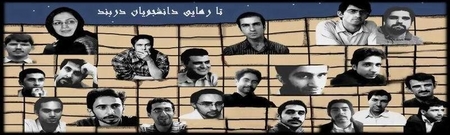
I don't blog much about Iran because I don't know enough and I've not yet been there, but I do want to support this effort to remember student activists jailed there in the struggle for democracy. Read more about the creation an online memorial today, the 101st anniversary of the Iranian Constitutional Revolution. For today, I'll be renaming the blog in solidarity.
Salaam.
01 August, 2007
Mr. Wizard's Kitchen
I just have to rave a wee bit about my birthday dinner. My friend's I've been staying with in Atlanta took me to Element. Richard Blais, a practitioner of molecular gastronomy, now runs the kitchen and reviews have been good. I'd first read about El Bulli (under "gastronomy" in the white column click "general catalogue" and start drooling at the "food porn") and this whole culinary movement a few years ago and was intrigued.
Things like liquid nitrogen figure into several dishes, but it's never gimmicky. All the technical whiz-bang is meant to bring out the best of the ingredients. The menu is mind-bending in it's false simplicity and odd ingredients: "melted lamb" in a pasta dish; "carbonized octopus"; "artichoke soda" (surprisingly good); "Coca-Cola rocks" (syrup flash frozen) atop panna cotta. In between your orders the kitchen sends out little gifts - taro root chips with three tiny, jewel-like cubes of jellied essence of salsa; "candied corn" frozen with liquid nitrogen - pop a few kernels in your mouth and let the "smoke" flow out your nose (if you can stop giggling); "peach nigiri" with goat cheese. Some of our favorites from the tapas-style menu: diver scallops with white chocolate risotto (which had a wonderful hint of key lime flavor to it) and the beef "cap" with blue cheese and creamed corn. Every bite was out of this world. The only wrong note, to me, was the "Red Velvet cake tartare", which was too deconstructed, leaving little of anything but some lines on a plate. The cream cheese ice cream that accompanied it was delicious, though. Our other desert, a sort of chocolate cake Oreo with "strawberry water" and an outstanding sweet basil sorbet, was wonderful.
Even better? Aside from the excellent food and drink, word is Blais is a nice guy chef, not a rampaging ego maniac. I hope that's true and it certainly seems to be reflected in his restaurant, which is very relaxed and welcoming; a world-class kitchen attached to an easy-going neighborhood restaurant. Lack of pretension, affordability, and just plain fun, make Element worth trying if you're in Atlanta.
Salaam.
Things like liquid nitrogen figure into several dishes, but it's never gimmicky. All the technical whiz-bang is meant to bring out the best of the ingredients. The menu is mind-bending in it's false simplicity and odd ingredients: "melted lamb" in a pasta dish; "carbonized octopus"; "artichoke soda" (surprisingly good); "Coca-Cola rocks" (syrup flash frozen) atop panna cotta. In between your orders the kitchen sends out little gifts - taro root chips with three tiny, jewel-like cubes of jellied essence of salsa; "candied corn" frozen with liquid nitrogen - pop a few kernels in your mouth and let the "smoke" flow out your nose (if you can stop giggling); "peach nigiri" with goat cheese. Some of our favorites from the tapas-style menu: diver scallops with white chocolate risotto (which had a wonderful hint of key lime flavor to it) and the beef "cap" with blue cheese and creamed corn. Every bite was out of this world. The only wrong note, to me, was the "Red Velvet cake tartare", which was too deconstructed, leaving little of anything but some lines on a plate. The cream cheese ice cream that accompanied it was delicious, though. Our other desert, a sort of chocolate cake Oreo with "strawberry water" and an outstanding sweet basil sorbet, was wonderful.
Even better? Aside from the excellent food and drink, word is Blais is a nice guy chef, not a rampaging ego maniac. I hope that's true and it certainly seems to be reflected in his restaurant, which is very relaxed and welcoming; a world-class kitchen attached to an easy-going neighborhood restaurant. Lack of pretension, affordability, and just plain fun, make Element worth trying if you're in Atlanta.
Salaam.
كلام نواعم : Sugar and spice, but they don't always play nice!

Public Television's Wide Angle aired a great documentary, Dishing Democracy, about Kalam Nawaem/كلام نواعم last night.
Those of you who missed it will soon be able to watch it free in its entirety on the accompanying web site, which includes additional resources regarding satellite television in the Middle East. Be sure to look at the Resources link, which provides links to organizations, films, programs, journals, and more about Arab media and the region.
Salaam.
What $650 million buys you in Turkey these days
Drink up while you can, Turkey. I was reading an article about the return of the balık-ekmek boats to Istanbul's Eminönü district when I saw this headline: Rivers to be privatized as a solution to water crisis. I am not a supporter of privatized, corporatized water and certainly not privatization of whole rivers and lakes. The article says 12-13 rivers are to be SOLD for a period of 49 years, including the Tigris ($650 m. for 29 year rights) and Euphrates ($950 m. for 29 year rights). There is no explanation of how this strategy will solve the stated water crisis. Also, no word on potential reactions from Syria and Iraq, which lay downstream. Also according to the article, the transfer of water resources to the private sector may require a constitutional amendment. It sounds like a bad idea to me....
While climate change is certainly making life harder in Turkey, things aren't much better in Egypt or the rest of the Mediterranean, either. And if you think it's hot and dry now, just wait...
Salaam.
While climate change is certainly making life harder in Turkey, things aren't much better in Egypt or the rest of the Mediterranean, either. And if you think it's hot and dry now, just wait...
Salaam.
30 July, 2007
Where ًto next?
So, I am waiting on my new passport and contemplating heading East in a few months.
I was worried about the processing backlog, but I called this morning and was told my renewal application was moving along well. The man on the phone was actually very nice (even wished me a happy day before my birthday), but I suppose I'll believe him when the passport is in my hand, hopefully soon. In my procrastinating glory I waited until the beginning of July to apply for my renewal.
The U.S. government changed the old rules for travel, which permitted travel by land, air, and sea to Mexico, the Caribbean, and Canada and subsequent re-entry to the U.S. with only valid photo i.d. or a birth certificate. Unfortunately, they didn't bother to adequately set up the infrastructure to process all these new applications, leading to waits of up to three months. My, I feel safer already. And, human nature here being what it is, Americans are shocked to find out about all this after a year of notices in the media and from travel professionals. When I turned in my materials, the woman behind the counter had all sorts of horror and humor stories such as people applying a week before their date of departure under the assumption they'd get their passport overnight. It says a lot, to me, about this country that only about %25 of Americans hold valid passports.
I am looking into CELTA certification programs in Istanbul, Beirut, Cairo, Oman, UAE, Qatar, Kuwait, and Morocco. There are several that begin in October. I would love to make use of my Arabic, but also wouldn't mind building up my Turkish. If anyone has any feedback (positive or negative) on the programs, please let me know. Other than Istanbul and Beirut, the courses are all through the British Council. Or, if you would like to sell me on a particular city, offer to pick me up at your airport, or buy me a beverage, feel free to speak up as well.
Salaam.
I was worried about the processing backlog, but I called this morning and was told my renewal application was moving along well. The man on the phone was actually very nice (even wished me a happy day before my birthday), but I suppose I'll believe him when the passport is in my hand, hopefully soon. In my procrastinating glory I waited until the beginning of July to apply for my renewal.
The U.S. government changed the old rules for travel, which permitted travel by land, air, and sea to Mexico, the Caribbean, and Canada and subsequent re-entry to the U.S. with only valid photo i.d. or a birth certificate. Unfortunately, they didn't bother to adequately set up the infrastructure to process all these new applications, leading to waits of up to three months. My, I feel safer already. And, human nature here being what it is, Americans are shocked to find out about all this after a year of notices in the media and from travel professionals. When I turned in my materials, the woman behind the counter had all sorts of horror and humor stories such as people applying a week before their date of departure under the assumption they'd get their passport overnight. It says a lot, to me, about this country that only about %25 of Americans hold valid passports.
I am looking into CELTA certification programs in Istanbul, Beirut, Cairo, Oman, UAE, Qatar, Kuwait, and Morocco. There are several that begin in October. I would love to make use of my Arabic, but also wouldn't mind building up my Turkish. If anyone has any feedback (positive or negative) on the programs, please let me know. Other than Istanbul and Beirut, the courses are all through the British Council. Or, if you would like to sell me on a particular city, offer to pick me up at your airport, or buy me a beverage, feel free to speak up as well.
Salaam.
Subscribe to:
Posts (Atom)